Ephemeral
Shores
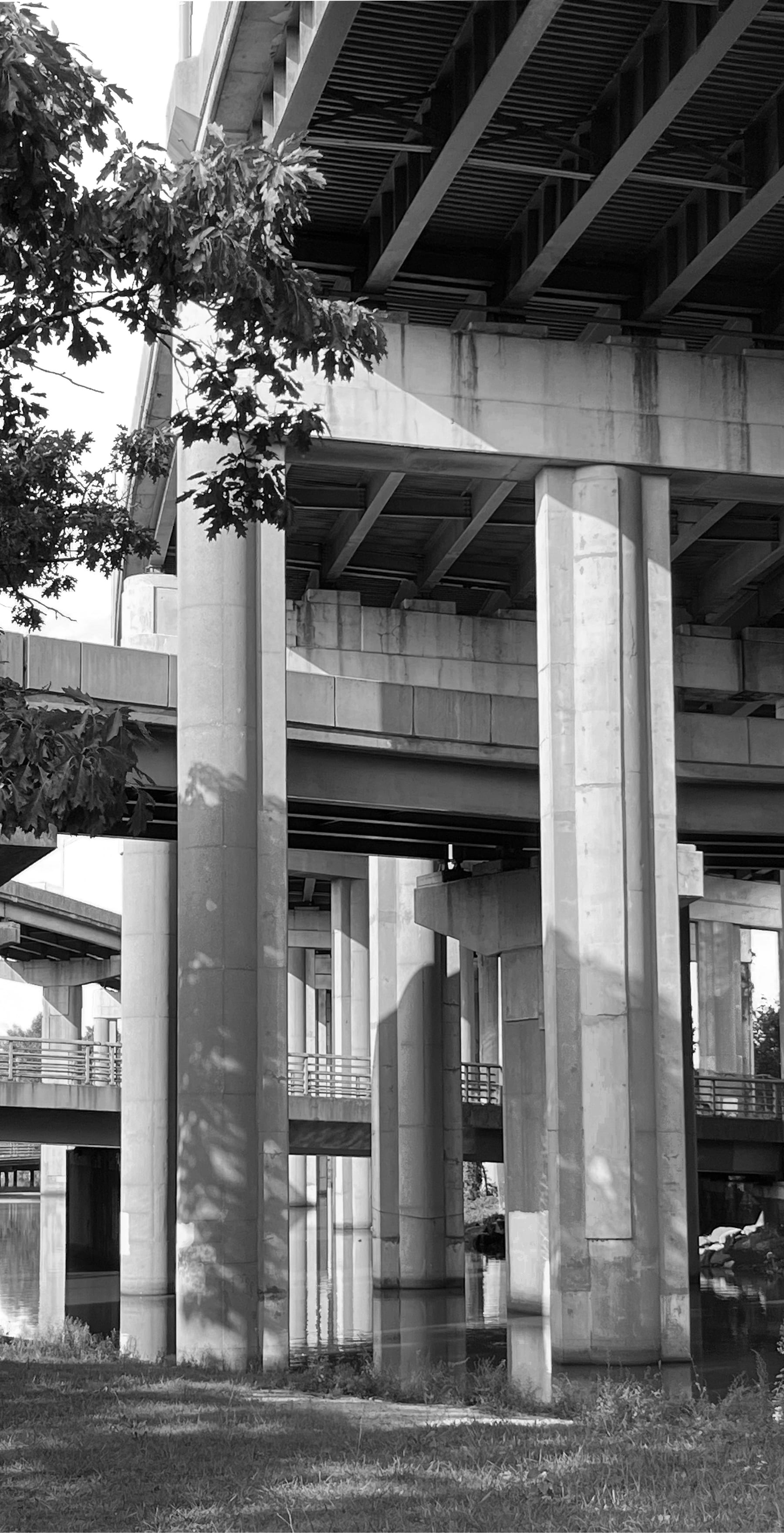
The project begins with a question: how might we fundamentally rethink the way a park is built? The initial provocation came from the columns of an interchange in Flushing Meadow Park — enormous structures that appear to touch the water with unexpected delicacy, producing a sensation of anti-gravity and suspended instability.
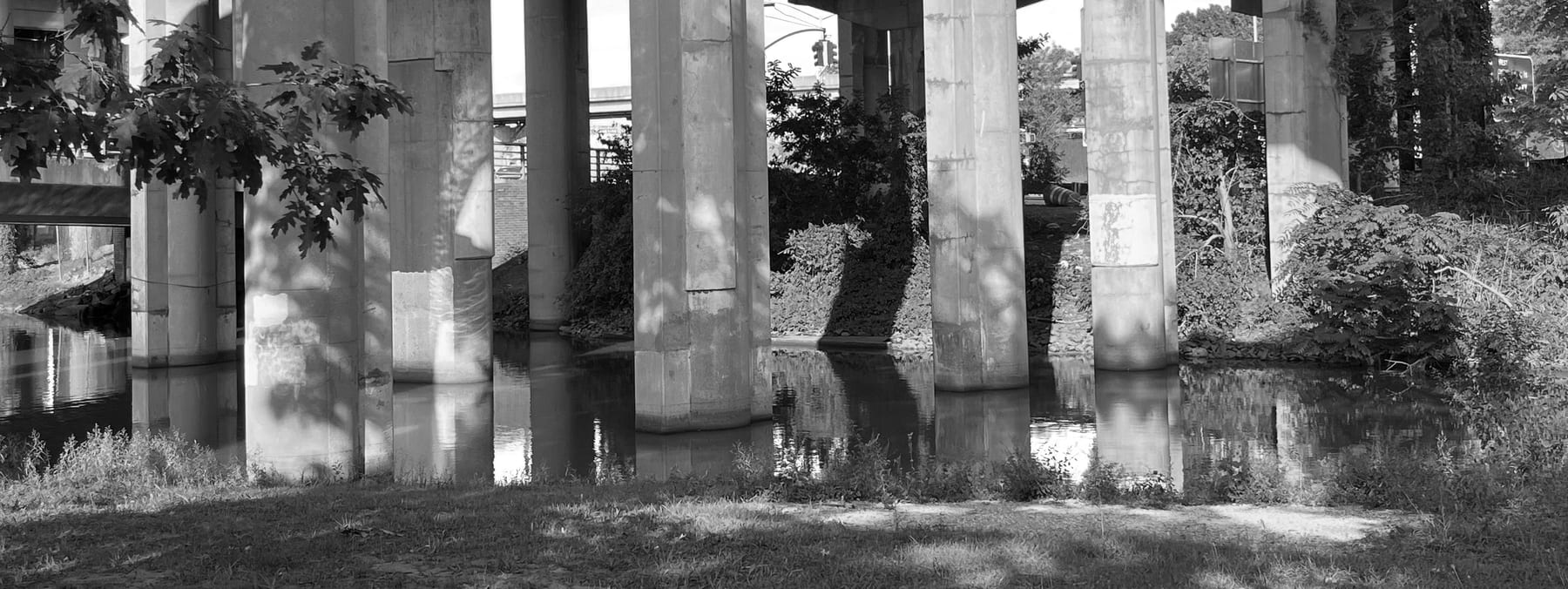
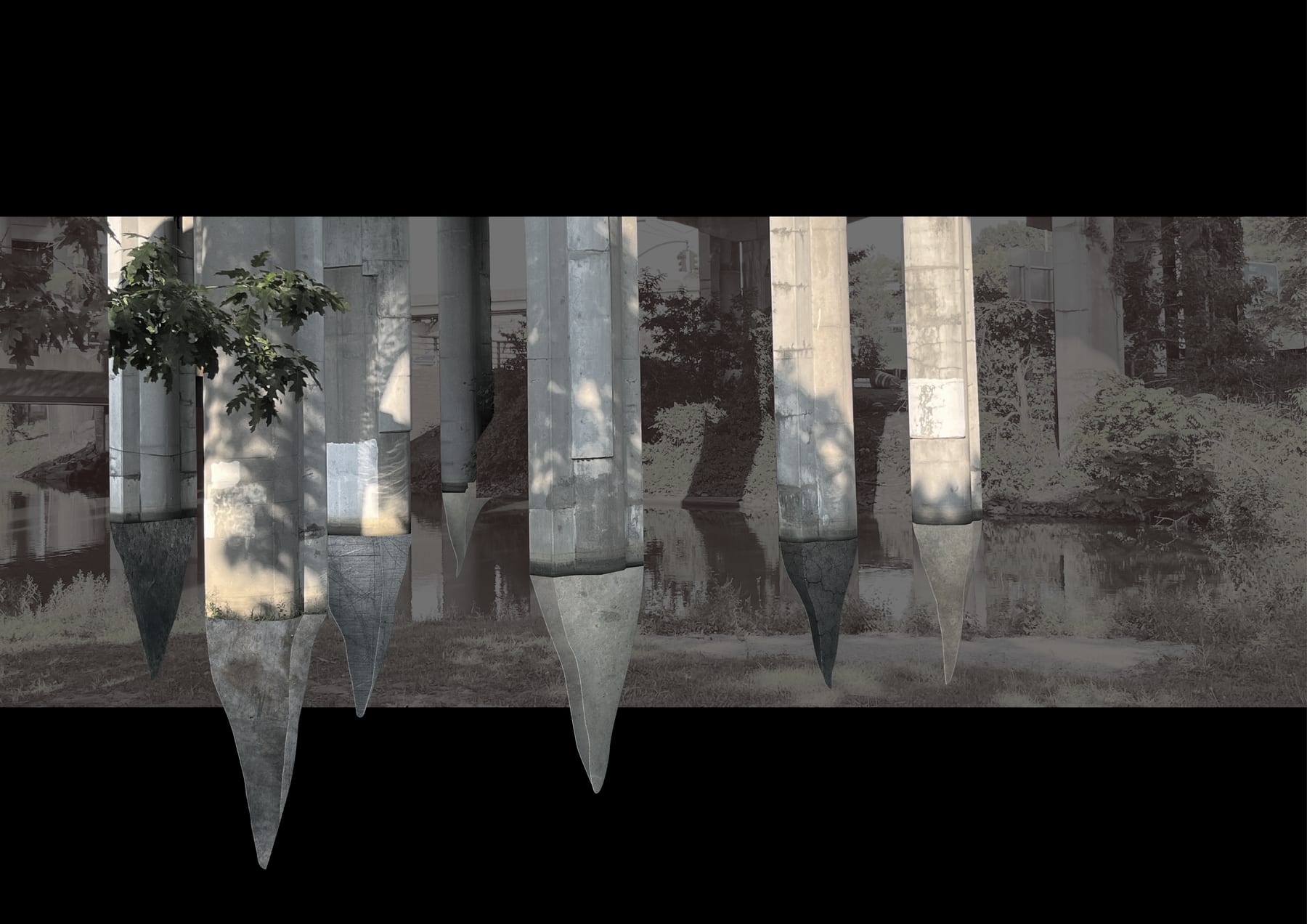
This observation prompted a further inquiry: how might one occupy a large body of water with floating-like structures, and how could the river's dynamics — its invisible forces of flux and rise — be interpreted architecturally? The site is the East River near Astoria Park: a floodplain projected to expand significantly over the coming decades and centuries.
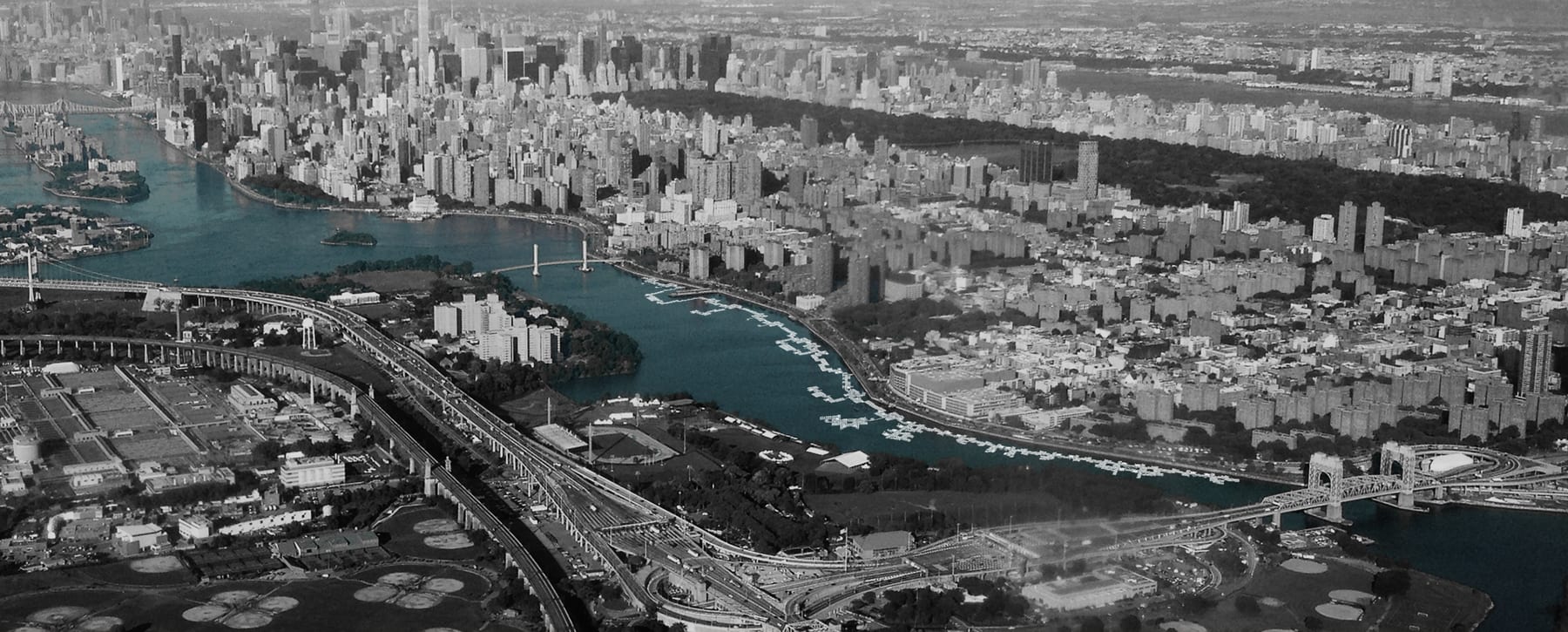
As water encroaches upon land, how might we adapt to the shrinking ground plane and develop a productive model for leisure — building a park that grows with the flood rather than against it?
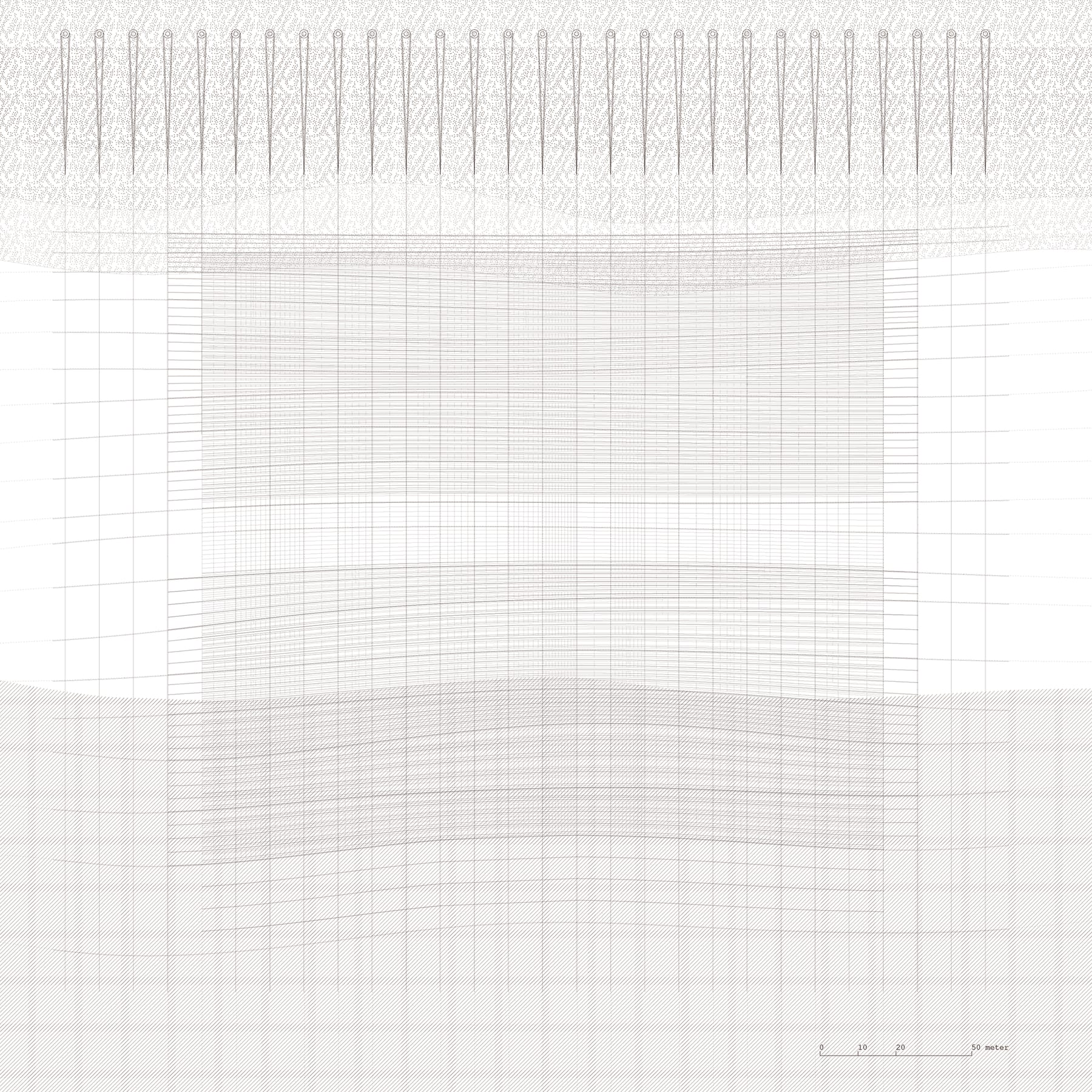
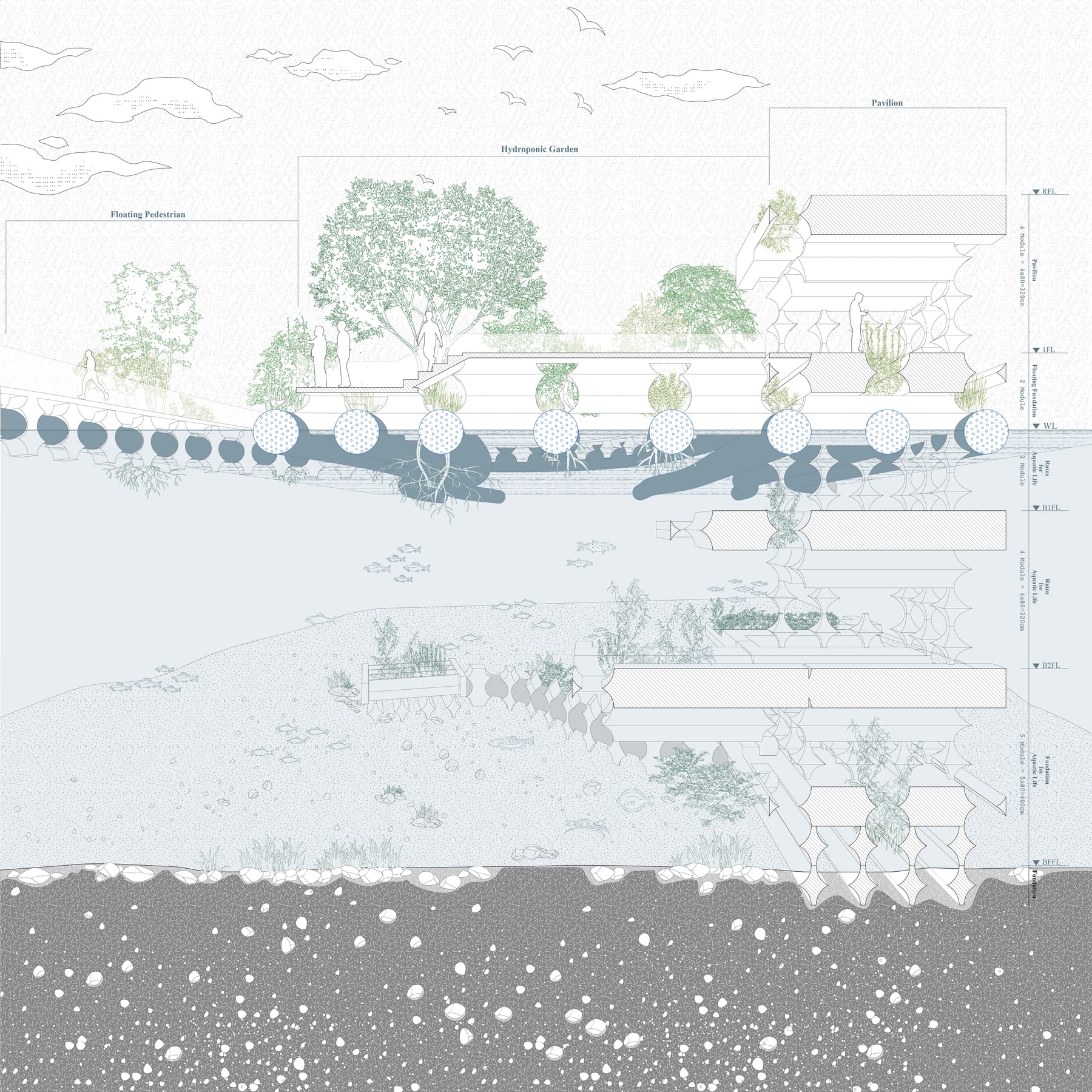
A new construction logic is proposed: an adaptive infrastructure responsive to the far future. As the water level rises, the anchor towers can be extended vertically to keep pace with it, while the submerged structures below become ruins — new habitat for aquatic species. The landscape is simultaneously reshaped by the park machine; infrastructure serves as a template for the land, and both evolve with the rising water. Should the water eventually recede, the ruins can be dismantled and the ground returned to nature.