AnarchronismIND 2022
FIG. A
FIG. B
FIG. C
 FIG. A
 FIG. C
 FIG. A
 FIG. B
 FIG. C
 FIG. A
 FIG. C
 FIG. A
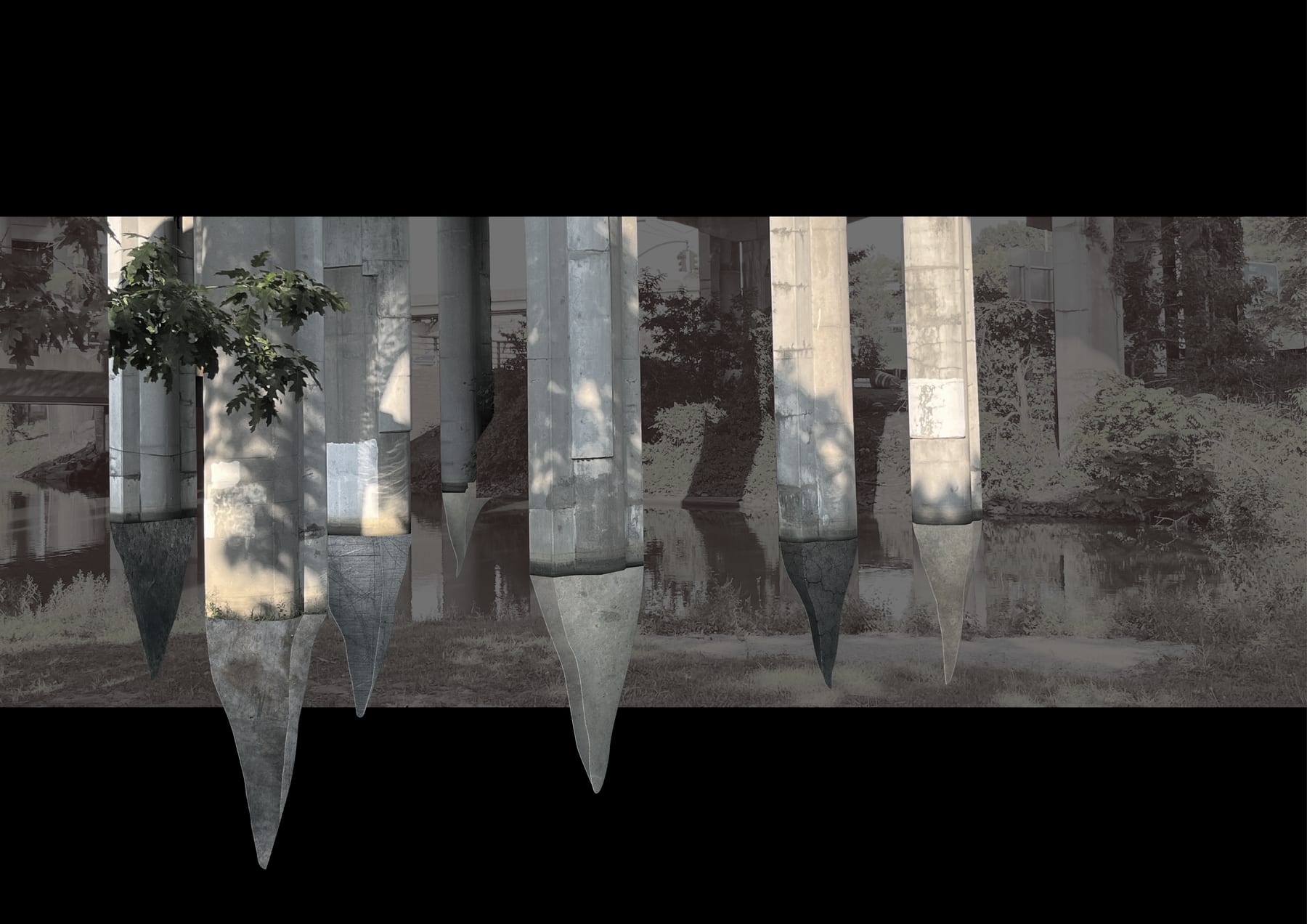 FIG. B
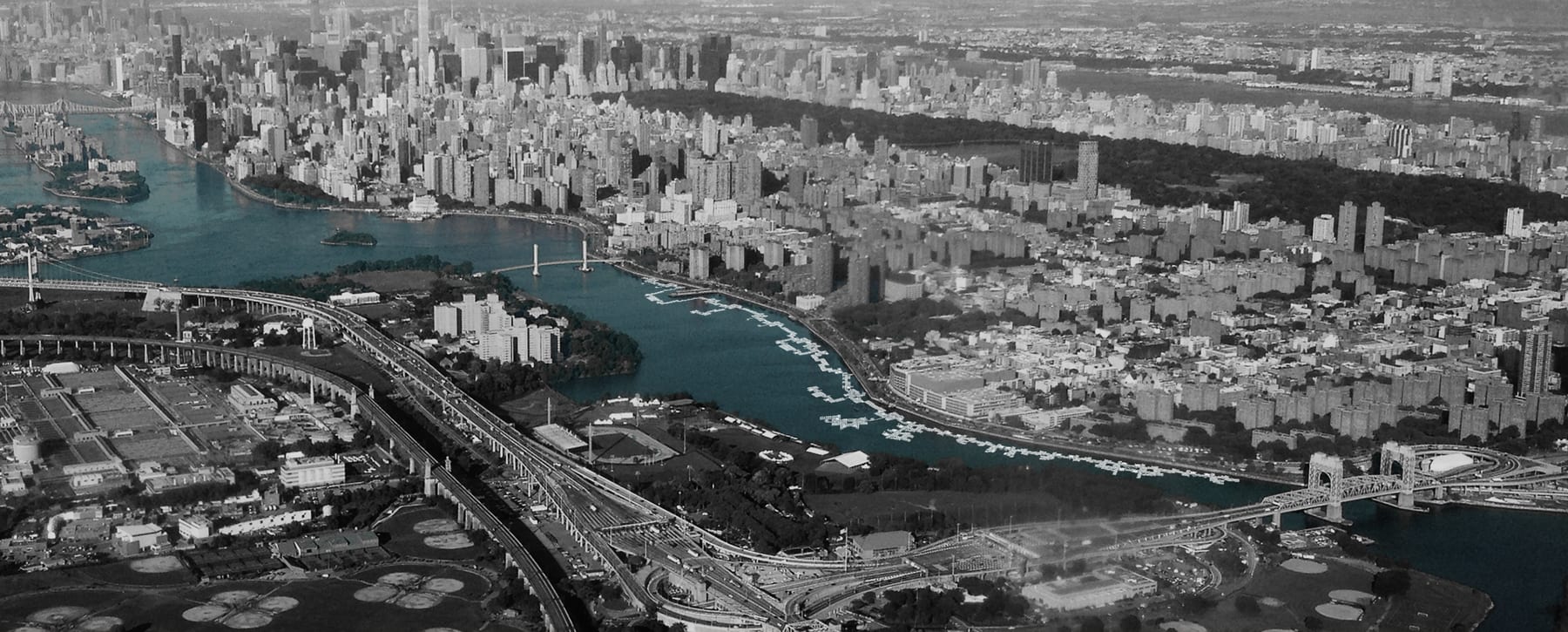 FIG. C
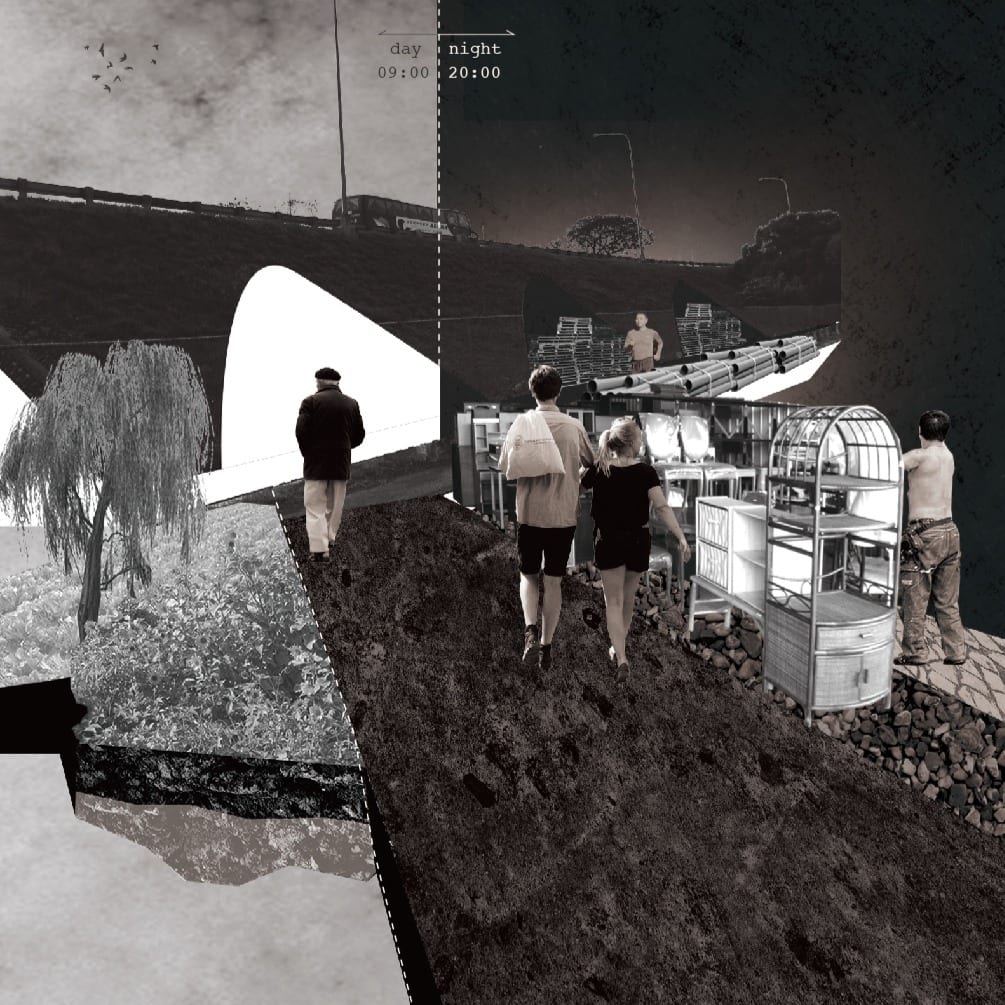 FIG. A
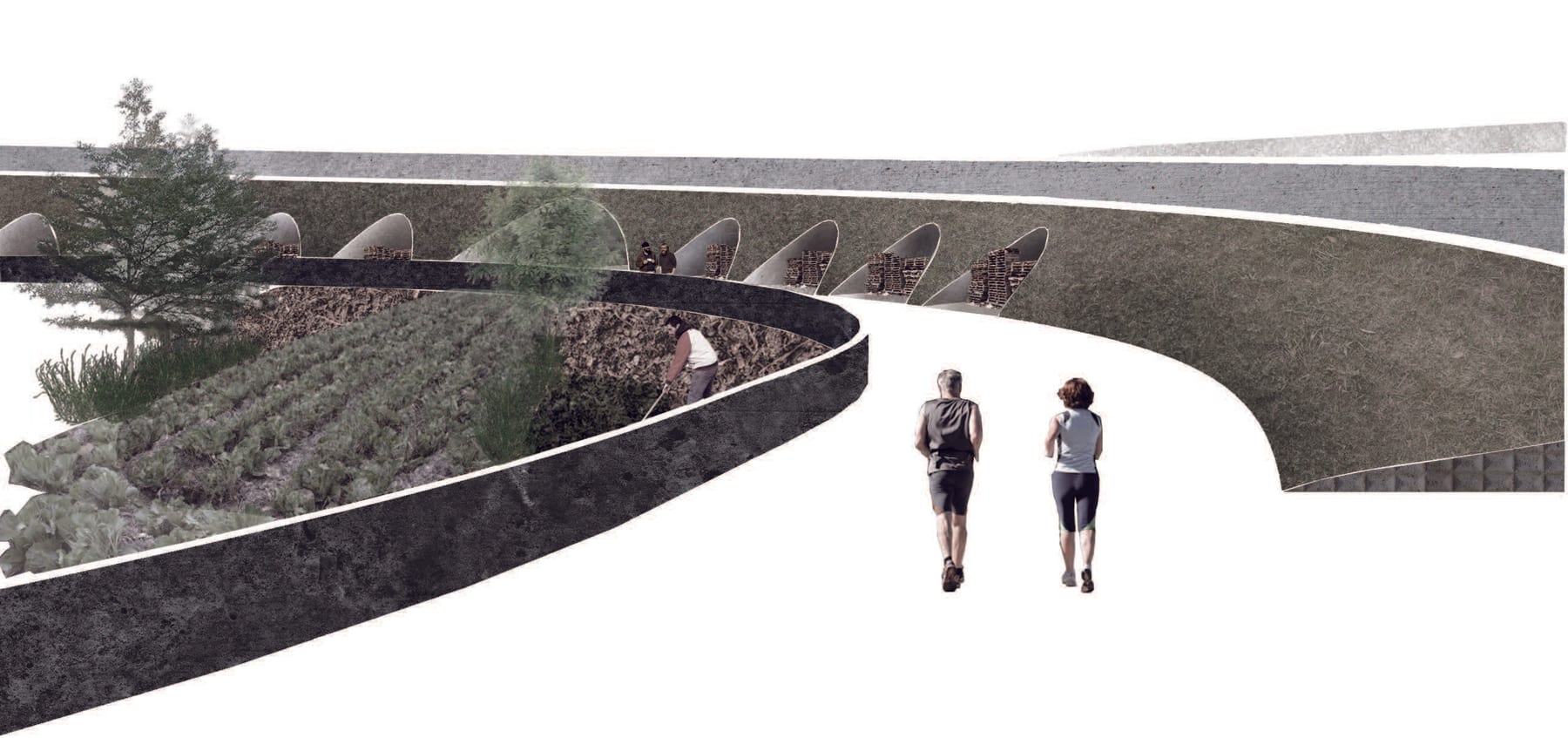 FIG. B
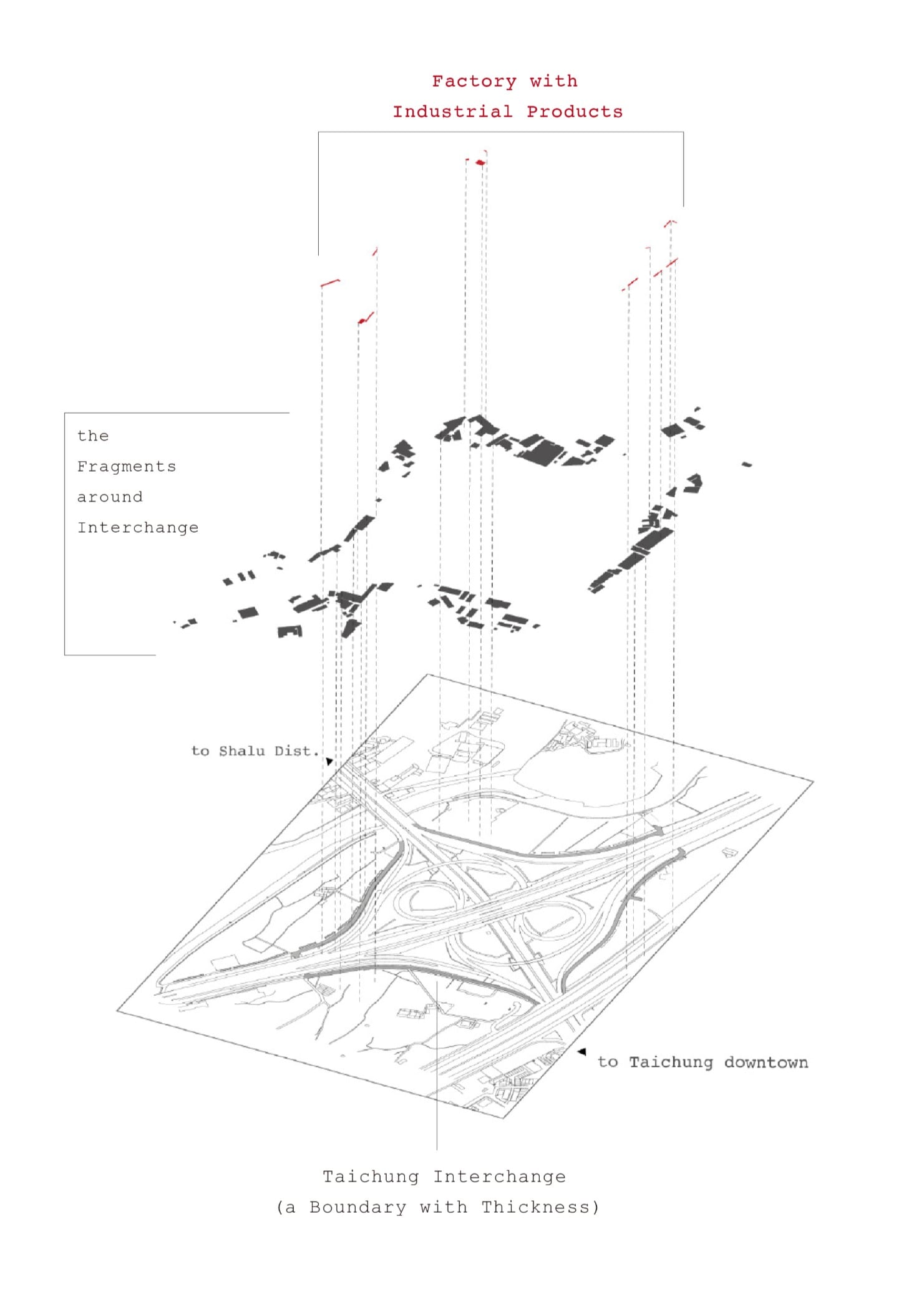 FIG. C
 FIG. A
 FIG. B
 FIG. C
 FIG. A
 FIG. B
 FIG. C
 AnarchronismIndependentPlotter / Ink2022
02Accidental CertaintyThe Cooper UnionStudio / Film2023
03Framework TraversingThe Cooper UnionThesis Research2023
04
AnarchronismIndependentPlotter / Ink2022
02Accidental CertaintyThe Cooper UnionStudio / Film2023
03Framework TraversingThe Cooper UnionThesis Research2023
04 Syntheti-scapeThe Cooper UnionMArch Thesis2023
05Ephemeral ShoresThe Cooper UnionStudio2022
06Material-scapeTunghai UniversityMaterial2015
07
Syntheti-scapeThe Cooper UnionMArch Thesis2023
05Ephemeral ShoresThe Cooper UnionStudio2022
06Material-scapeTunghai UniversityMaterial2015
07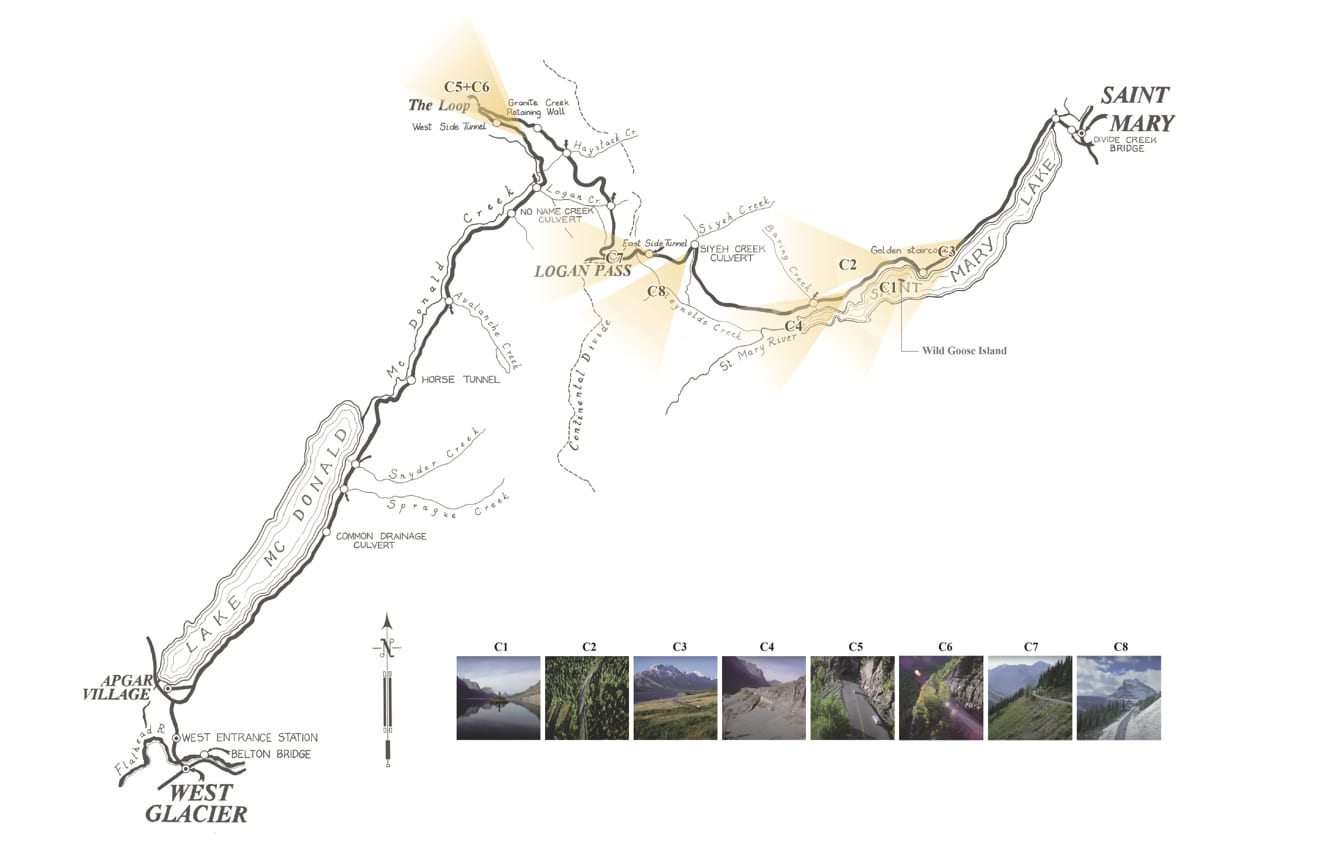 Winding AroundThe Cooper UnionResearch2022
08Project UndergardenTunghai UniversityStudio2017
Winding AroundThe Cooper UnionResearch2022
08Project UndergardenTunghai UniversityStudio2017
Kai-Min Lee is an architect and thinker originally from Taipei, currently based in New York City. His academic and professional work centers on the spatial tensions between mega-scale infrastructure and the human body — examining how frameworks, both physical and virtual, mediate our perception of the built environment.
I firmly believe that even the smallest architectural elements — a tectonic detail, a screw on a wall — can influence human behavior and shape our environment. Yet the significant scale difference between our bodies and our surroundings often obscures this relationship.
In Taiwan, we encounter a fascinating array of architectural phenomena: from small informal structures to expansive highway ramps in suburban areas, where beauty and disorder coexist. These elements are too often dismissed as random fragments rather than recognized as a coherent architectural identity. I believe that by rethinking their construction mechanisms and understanding how and why these structures came to be, we can develop a more systematic approach to bridging the gap between humanity and its environment.